Posted on

Bavan Baug Bandhani: History, Craftsmanship, and Modern Trends

Few textiles carry the heritage weight and artisanal precision of Bavan Baug Bandhani. A crown jewel of Kutchi tie-dye traditions, Bavan Baug weaves storytelling, royal patronage, and meticulous geometry into every yard of fabric.

Whether draped as a regal saree or tailored into a contemporary festive kaftan, this pattern continues to redefine luxury ethnic wear.

What is Bavan Baug? The Meaning Behind the Motif

In Gujarati, “Bavan” translates to fifty-two (52) and “Baug” means garden.

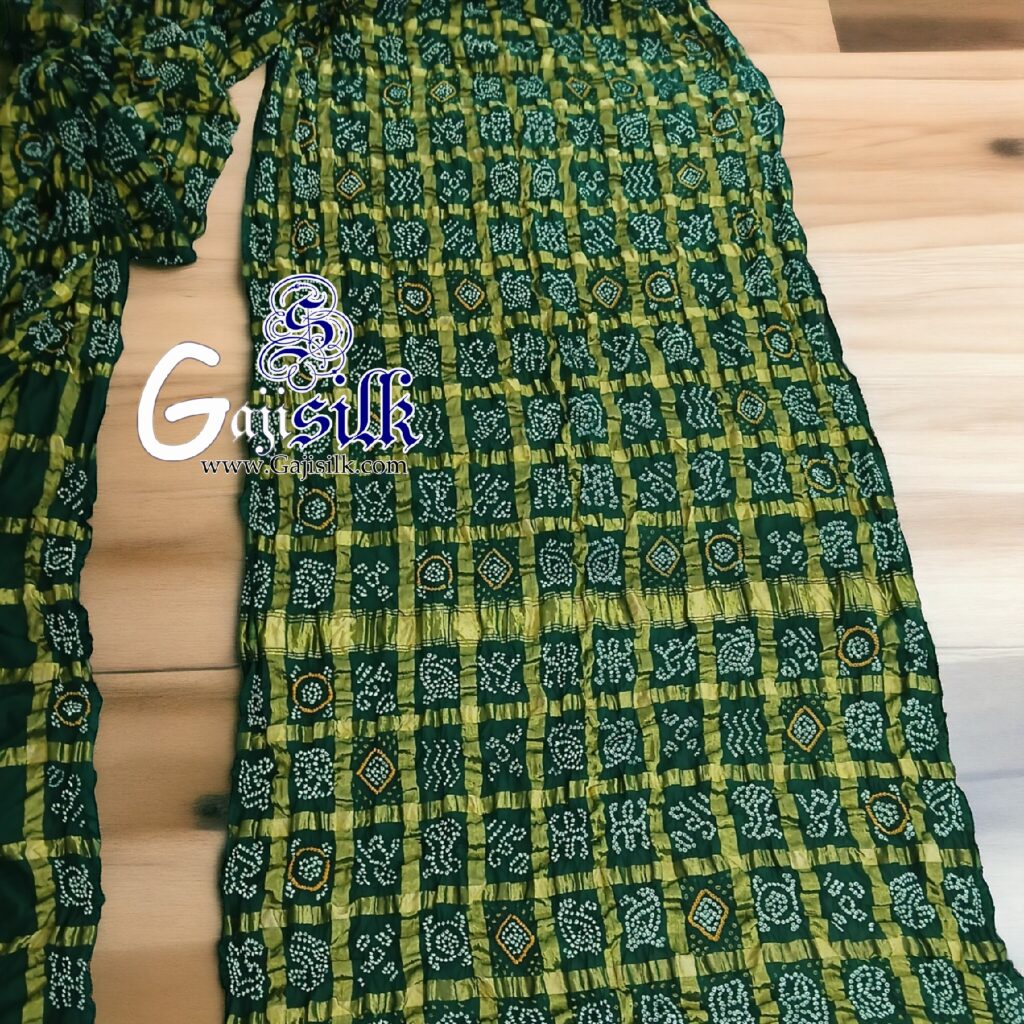
A true Bavan Baug composition features a grid network of 52 individual compartments or blocks across the fabric. Within each box, master artisans hand-tie unique motifs depicting elements of nature, royalty, and folklore:

  • Fauna: Haathi (elephant), Mor (peacock), Popat (parrot), and Shikari (hunting or wildlife scenes).
  • Flora: Keri (paisley), blooming lotuses, tree of life, and floral vines.
  • Cultural Symbolism: Ras-mandali (dancing figures), Choktha (geometric squares), and auspicious wedding symbols.

Together, the 52 panels form a sprawling, wearable garden of cultural art.

History & Craftsmanship: The Legacy of Kutchi Bandhej

The roots of Bandhani date back thousands of years across the arid belts of Kutch and Saurashtra in Gujarat. Traditionally practiced by the Khatri community, Bavan Baug emerged as a display of master craftsmanship reserved for royal dowries, bridal trousseaus, and high-ceremonial occasions.

Raw Gaji Silk Fabric ➔ Hand-Stenciled Grid (52 Boxes) ➔ Fine Rai Dana Tying ➔ Multi-Stage Dyeing ➔ Rinsing & Opening

The Magic of “Rai Dana” on Pure Gaji Silk

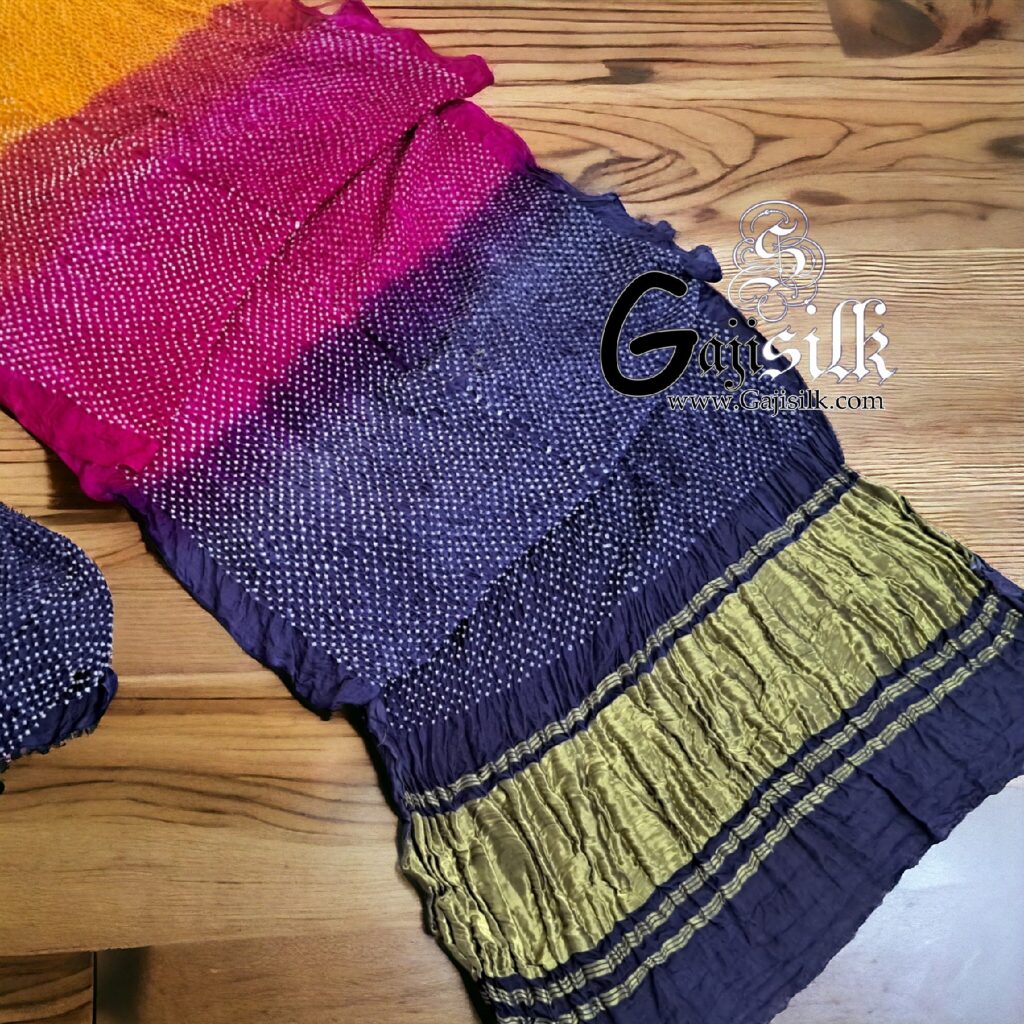
What sets high-end Bavan Baug apart is the scale of the knot. Artisans use Rai Dana—knots as tiny as mustard seeds—pinched by hand and tightly bound with waxed cotton thread before being dipped in vibrant dye baths.

When crafted on Pure Gaji Silk, the natural gloss of the fabric combined with the raised, textured puckers of the Bandhani knots creates an opulent, multidimensional luster.

Trending Bavan Baug Silhouettes for Modern Festive Wardrobes

While Bavan Baug began as a traditional bridal drape, contemporary designers and fashion enthusiasts have embraced it across versatile silhouettes.

1. The Heirloom Bavan Baug Saree

The classic 6.5-meter Bavan Baug saree on Gaji Silk—often accented with a woven metallic Lagdi Patta (Lagdi Palav)—remains the gold standard for weddings and festivals. The full body covered in 52 distinct panels creates a grand, slimming, and fluid drape.

2. Statement Bavan Baug Dupattas

Pairing a heavy Bavan Baug dupatta with a solid raw silk, velvet, or chanderi suit is one of the biggest trends in luxury ethnic wear. A single 2.5-meter Bavan Baug dupatta transforms a minimalist outfit into an instant wedding-ready ensemble.

3. Flowing Bavan Baug Kaftans

Modern fusion wear has given Bavan Baug a fresh silhouette. Pure Gaji Silk Bandhani kaftans offer effortless movement, lightweight comfort, and rich color saturation—perfect for Mehendi ceremonies, destination weddings, and resort festivities.

4. Festive Dresses & Anarkali Suits

Tailoring unstitched Bavan Baug yardage into structured A-line kurtis, floor-length anarkalis, or coordinated jacket sets allows the intricate tie-dye grids to highlight structured necklines and flares.

Styling & Caring for Bavan Baug Gaji Silk

  • Jewelry: Pair your Bavan Baug drape with antique temple gold, polki, or uncut diamond sets to mirror the royal heritage of the motif.
  • Footwear & Accessories: Keep bags subtle with a solid raw silk potli or a minimal gold clutch so the intricate 52-block pattern takes center stage.
  • Fabric Care: Always opt for Dry Clean Only to preserve the hand-dyed natural colors and maintain the puckered texture of the Bandhej knots. Store wrapped in soft muslin cloth.

Shop Authentic Bavan Baug at GajiSilk.com

If you are looking to invest in genuine, artisan-crafted Bandhani, explore our curated collections directly from the heart of Gujarat at GajiSilk.com.

  • 100% Pure Gaji Silk Base: Rich sheen, fluid fall, and long-lasting quality.
  • Authentic Rai Dana Work: Hand-knotted by traditional Kutchi artisans.
  • Bespoke Color Customization: Choose your own signature shades for bridal and festive orders.
  • Worldwide Shipping: Direct from the artisan clusters of Kutch to your doorstep.

Explore the Collections:
Posted on

An Exploration of Gaji Silk Sarees: History, Craftsmanship, and Cultural Significance

  1. Delve into the rich history of Gaji silk sarees, tracing their origins and evolution over the centuries. Highlight key historical events and figures that have contributed to the saree’s prominence in Indian culture.
  1. Examine the intricate craftsmanship involved in creating Gaji silk sarees, focusing on the techniques and skills passed down through generations. Feature interviews with artisans to provide insight into their creative processes and the challenges they face in preserving traditional methods.
  1. Discuss the cultural significance of Gaji silk sarees in contemporary society, exploring their role in festivals, weddings, and other significant life events. Analyze how these sarees serve as a symbol of heritage and identity, bridging the gap between tradition and modernity.
Gaji Silk Logo
Posted on

What is Gaji Silk Fabric?

Gaji silk fabric is a luxurious textile known for its unique blend of silk and other fibers, which results in a soft, lustrous material that is both durable and elegant. Originating from the traditional weaving techniques of specific regions, Gaji silk is often characterized by its rich colors and intricate patterns, making it a popular choice for high-end garments and accessories. The fabric is celebrated not only for its aesthetic appeal but also for its versatility, as it can be used in various applications ranging from formal wear to home décor. Its lightweight nature and breathable quality further enhance its desirability, allowing it to drape beautifully and provide comfort in various climates.

What is Gaji Silk Fabric? The Royal Canvas of Heritage Indian Textiles

If you have ever draped a premium Bandhani saree or held a luxurious Gharchola dupatta, you have likely felt the unmistakable texture of Gaji Silk. Celebrated for its rich, liquid-like drape, magnificent satin sheen, and heavy body, Gaji Silk is considered the king of fabrics in Western India’s textile heritage.

But what exactly makes this fabric so special? Why has it been favored by royals for centuries, and why is it the definitive canvas for high-end artisanal crafts like tie-dye and hand-block printing?

Let’s take a deep dive into the fascinating world of Gaji Silk fabric.

What Exactly is Gaji Silk?

Gaji Silk is a high-grade, premium silk fabric characterized by its unique satin-weave structure. Unlike standard flat silks or lightweight chiffons, Gaji Silk is woven using a specialized technique where the warp threads float over multiple weft threads.

This specific architectural weave creates two distinct characteristics:

  1. A Glossy Face: The surface of the fabric possesses a rich, glossy sheen that catches the light beautifully.
  2. A Dense, Matte Back: The reverse side of the fabric is matte and slightly textured, which helps the garment grip structural clothing underneath, preventing it from slipping when draped.

Historically, because of its laborious weaving process and luxurious weight, Gaji Silk was reserved almost exclusively for royalty and affluent merchant families across Gujarat and Rajasthan.

Why is Gaji Silk the Perfect Canvas for Handcrafts?

At Gajisilk.com, we use Gaji Silk as the primary foundation for our designer collections. This isn’t just because it looks luxurious—it is because Gaji Silk possesses unique structural properties that make it the perfect partner for intense traditional crafts.

1. It Survives the Rigors of Bandhani (Tie-Dye)

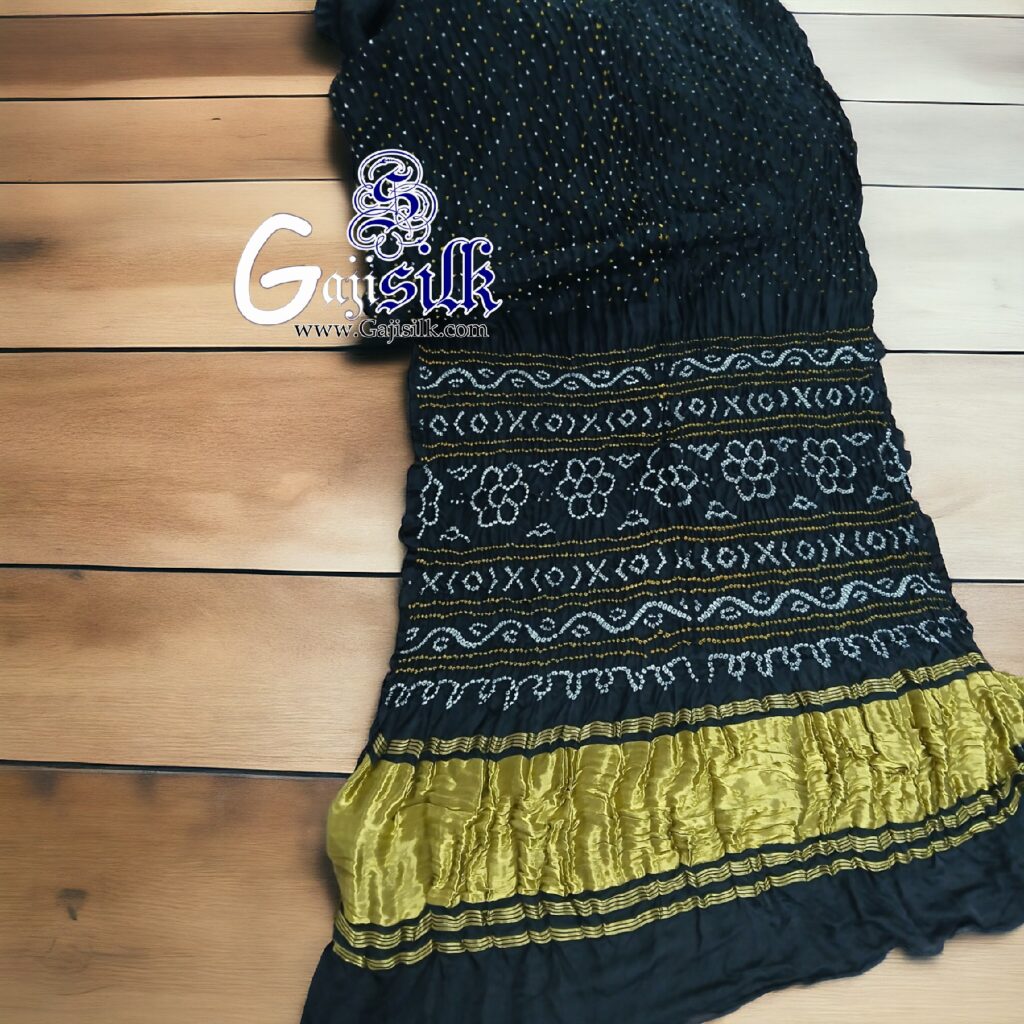
Authentic Bandhani and Gharchola require the fabric to be plucked and bound tightly into thousands of microscopic knots (Rai Dana) before being plunged into boiling dye baths. Lightweight fabrics often rip or warp under this intense physical strain. Gaji Silk, due to its dense satin weave, has immense tensile strength. It holds the tight knots perfectly, resulting in those crisp, beautiful, and deeply textured crinkles that define genuine hand-done Bandhani.

2. It Absorbs Natural Dyes Flawlessly

Whether we are applying the multi-stage hand-block prints of Ajrak or the fluid abstract lines of Shibori, the fabric needs to absorb dyes deeply without bleeding or fading. Gaji Silk is highly porous, meaning it locks in natural, organic vegetable and mineral dyes, resulting in rich madder reds, deep indigos, and midnight blacks that remain vibrant for generations.

3. The Unmatched Royal Drape

Because Gaji Silk is a heavier fabric (typically weighted at a premium 64 grams or higher for luxury drapes), it falls with an unmatched elegance. When worn as a six-yard saree or a flowing designer kaftan, it gracefully hugs the body’s silhouette without feeling stiff, pooling beautifully at the hem.

How to Identify Authentic Pure Gaji Silk

With the rise of cheap, synthetic polyesters and look-alike “satin mixes” in the market, identifying genuine, pure Gaji Silk is essential for protecting your investment. Keep these three tests in mind:

  • The Touch & Weight Test: Pure Gaji Silk feels incredibly soft and cool to the touch, yet has a noticeable, substantial weight to it. If a fabric feels static-heavy, slippery, or excessively light, it is likely synthetic polyester.
  • The Sheen Test: Genuine Gaji Silk possesses a natural, deep, and elegant luster that shifts softly under the light. Synthetic fabrics often have a harsh, plastic-like, or overly reflective shine.
  • The Texture of the Knots: When buying a Bandhani Gaji Silk item, run your fingers over the tie-dye pattern. True Gaji Silk will retain a distinct, pillowy, three-dimensional crinkle texture where the thread was tied.

Caring for Your Gaji Silk Garments

Because Gaji Silk is a pure, natural fiber treated with handcrafted artisan dyes, it requires gentle care to preserve its beauty:

🧼 The Golden Rule: Dry Clean Only Never machine wash or hand wash your Gaji Silk garments. Water can disrupt the natural satin fibers and cause artisanal natural dyes to bleed.

  • Storage: Store your sarees, dupattas, and lehengas wrapped in a breathable muslin or fine cotton cloth. Avoid plastic storage bags, which can trap moisture.
  • Ironing: Always use a low-heat silk setting. It is best to place a clean cotton cloth over the silk fabric before ironing to protect the natural sheen.
  • Perfumes: Avoid spraying perfumes directly onto the fabric, as the alcohol content can stain natural dyes.

Experience True Luxury with Gaji Silk

When you wear a garment from Gaji Silk, you aren’t just wearing fashion—you are wearing history, patience, and the livelihood of traditional weaving and dyeing communities. From the sacred white-and-red bridal Panetars to contemporary ready-to-wear shirts and kaftans designed by Arfat Khatri, our collections bring the royal heritage of Gaji Silk straight to the modern wardrobe.

Explore our online store today and find your own piece of living textile art.

👉 [Shop the Signature Pure Gaji Silk Collection Now]

Gaji Silk Logo

Gaji silk fabric is the epitome of luxury, offering a unique blend of comfort and style. Its delicate finish and vibrant colors make it an ideal choice for those who appreciate fine craftsmanship. Indulge in the sophistication of Gaji silk and redefine your wardrobe. 💖👚